
Human Rights Beyond the Headlines: Social Media, Misinformation, and Democracy
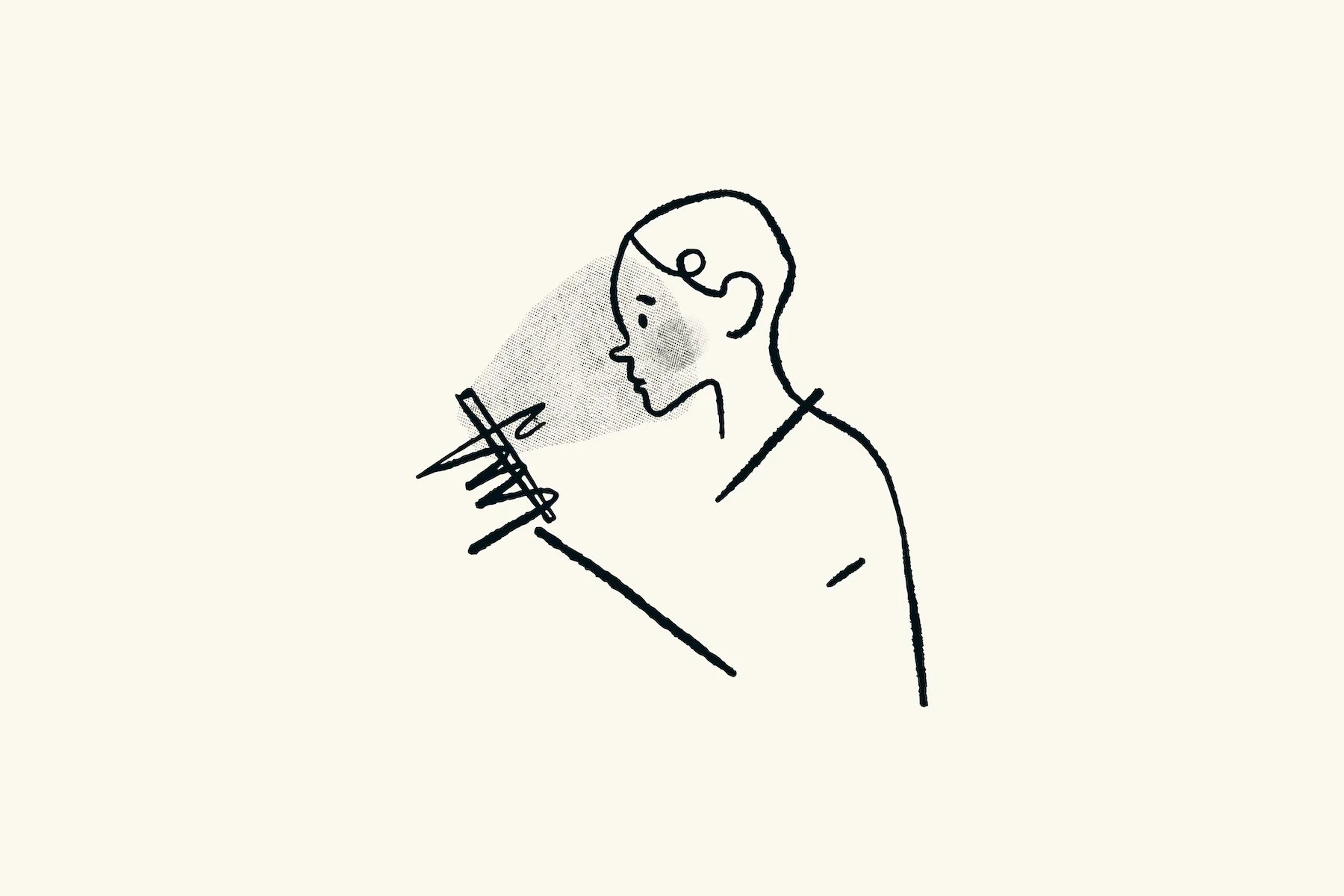
Credit: Carlos PX (via Unsplash)
Social media is a strong force in our society and world. It has a huge (and some would argue outsized) impact and influence on people’s lives. As of 2026, 5.79 billion people worldwide use social media, which represents two-thirds of the world population. In the US, this percentage is much higher. As of 2025, there were 310 million social media users in the US, representing over 93% of the population.
Social media is used to share information, learn, connect with others, shop, get news, entertain, advertise, engage with current events, organize politically, express yourself, share personal experiences, and much more. On the negative side, however, social media is also used to manipulate, bully, harass, misinform, and target.
To what extent does social media help or harm democracy? And what role does misinformation play in advancing or diminishing democracy?
What to Know
(Background information for educators that can be read aloud, shared, or summarized with learners)
Defining terms
Before delving into the relationship between social media, democracy and misinformation, let’s first define some relevant terms.
Democracy: A political system in which the power is vested in the people and exercised by them directly or indirectly though a system of representation, usually involving free and fair elections.
Disinformation: Information that is deliberately created or shared with the intention to misinform and mislead others, usually to achieve a desired ideological, political, or financial result
Misinformation: Information that is misleading, erroneous, or false. Misinformation is generally shared–and sometimes created–by people who are unaware that it is not accurate. (This is the best term to use when the intent of the creator is unknown.)
Note: One of the main differences between dis- and misinformation is that disinformation is intended to misinform and mislead others, while misinformation is usually created and shared by people who don’t know the information is false or misleading.
Social Media: Forms of digital communication that allow users to create, share and exchange information, ideas, text, photos, videos, and audio messages–and build online communities in virtual spaces. Examples of social media include: Facebook, Instagram, Snapchat, TikTok, BlueSky, X/Twitter and more.
How misinformation works
Misinformation is information that is misleading, erroneous, or false. Misinformation is generally shared–and sometimes created–by people who are unaware that it is not accurate. Because people often do not know they are sharing misinformation, it can spread far and wide. Even if it is eventually dispelled, too many people have consumed and spread it to control it.
Misinformation can be conveyed in person, in print, on television, and other broadcast media. As with many things online, misinformation spreads easily and quickly in digital spaces, especially social media. There are numerous examples; here are a few:
Fake news is false, fabricated, or misleading information that looks and feels like real news reporting. Fake news has been around for a long time, but the term surged during the 2016 presidential election when it was revealed that three months before the election, pro-Trump fake news stories were shared 30 million times on Facebook, and 8 million times for pro-Clinton stories.
Bots are social media accounts that are not run by a real person, but are instead run by a computer code or algorithm. Bots can spread misinformation by faking human behavior such as liking, replying to, and sharing specific pieces of misinformation.
Trolls are real people who purposely post offensive or provocative messages online to provoke strong emotional reactions. They use fake accounts and bots to post likes, shares, and comments, and often use fearful or angry language to trigger emotional reactions and spread the content faster.
Conspiracy theories explain an event or situation as being the result of a secret plot, usually by powerful conspirators. Following the 2020 presidential election in the US, there were unfounded claims that the election had been stolen or manipulated, and the conspiracy theory spread quickly across social media.
Deepfakes are artificial media (videos, photos, audio recordings) where AI (artificial intelligence) replaces or alters a person's likeness, voice, or face in images, videos, or audio to make them appear to say or do something they never did. In January 2024, during the US presidential election primary, there was a robocall that used AI to mimic President Joe Biden's voice and discourage voters from coming to the polls to vote in the primary.
How to spot and push back against misinformation
How can we spot misinformation and what can we do to address or challenge it?
The first thing is to always pause before sharing anything. This will help you consider whether it is worth sharing and gives you time to assess whether the information is accurate. Use your own experiences and gut feelings to ask yourself, “does this seem real? Does this make sense?” Finally, challenge your own confirmation bias. Confirmation bias is the way our mind often notices and believes things that support what we already think, and dismisses or ignores information that does not. Therefore, if you come across something you agree with, do not assume it is right, and the reverse is also true. In addition, be mindful of clickbait or heavily emotional headlines
Next, analyze the information. This starts with getting your news and information from various sources, not just one or two. When something comes into your social media feed, investigate the source and assess whether it is a reliable source. If it is not or you are not sure, dig deeper. Go beyond the headlines. Try to confirm the information with sources that are consistent, respected, and trustworthy. You can also find out who the author is and determine if they are an expert and therefore worth listening to or sharing. When images or videos are shared, it can be difficult to figure out if they are fake or AI-generated. To check whether images are fake, look closely and notice odd details, use reverse image platforms (e.g., Google Lens), and check whether reliable news sources confirm the images.
If after exhausting these ideas you are still unsure, you can use fact-checking sites like FactCheck.org, Snopes, or Politifact. If still in doubt, it’s best not to share the information until you are. If you suspect something is misinformation, let those in your social media circles know it isn’t accurate. Break it down and explain why it is incorrect instead of just labeling it misinformation.
Does social media help or harm democracy?
A 2026 Pew Research Center survey report addresses the connection between social media and democracy. Pew surveyed more than 45,000 people in 37 countries including the US, Canada, Mexico, Peru, Ghana, Nigeria, Turkey, Israel, Sri Lanka, the Phillipines, France, and Sweden, among others.
They found that among the countries surveyed, the percentage of the public who believe social media is bad for democracy has increased significantly from 2022-23. Opinions about social media’s impact on democracy are “particularly negative” in the US, with 64 percent of adults saying social media is bad for democracy–the same percentage as when surveyed in 2022-23. This perspective is also increasing in other countries.
People in wealthier countries like the US, Canada, and Australia are more likely to believe that social media is bad for democracy, while less wealthy countries are more positive about social media. For example, in Ghana, Kenya, Nigeria, the Philippines, and Thailand, more than 75 percent of people said social media has been good for democracy.
While many across the globe believe social media is good for democracy overall, most people see both positive and negative impacts. For example, many people report that social media helps keep them informed about current events and enables them to have a voice in politics, which are cited as positive outcomes of social media on democracy. Many also say that the negative outcomes of social media, like the ease of spreading and manipulating false information and rumors, make people more divided in their political perspectives.
Here are some country-specific views on social media and democracy:
In Europe, there are a variety of views. Poles, Italians and Greeks tend to see social media’s impact positively, while people in the UK, Germany, France, and the Netherlands tend to say it has been bad for democracy.
People surveyed in the Asia-Pacific nations tend to believe social media has had a positive impact on democracy. In Thailand, Singapore, the Philippines and Malaysia, roughly 70 percent or more express this opinion. Still, 43 percent of those in both Japan and Indonesia take the opposite view.
At least half of adults in all the West Asian, African, and Latin American nations surveyed believe social media’s impact has been positive. Chile is the only nation surveyed in any of these regions where at least 40 percent say it has been bad for democracy.
Why It Matters
Social media has become a powerful and compelling part of society. Fueled by social media, misinformation can chip away at and erode democracy by:
Distorting information about elections and candidates.
Suppressing civic and voter participation.
Eroding trust in our institutions, including the government.
Inviting foreign interference.
Promoting false claims and conspiracy theories about important policy issues (e.g., climate change, vaccines).
In many countries around the world, the public’s belief that social media is bad for democracy has increased significantly in recent years. Therefore, doing everything we can individually and systemically to understand and counteract misinformation will help us bolster democracy.
What You Can Do Right Now
(Ideas for learners to take action)
Help organize a forum in your school community about social media, misinformation and disinformation. Provide background information and strategies to detect misinformation online.
Educate yourself and your friends about the ways misinformation works and actively address it by analyzing it, not spreading it, and pointing it out when it comes across your social media feed. Use the information above to spot and push back against it. Teach others.
Consider scaling back on your social media use or do a “digital detox” and encourage those around you to join you. It can provide some perspective, a sharper focus when you return to it, and a necessary break from social media.
Learn more about reporting misinformation directly to social media companies by using this World Health Organization website.
Conversation Starters and Sparkers
To engage learners in a discussion, use non-judgmental and open-ended questions. Non-judgmental questions are curious questions that seek to understand a person, perspective, or situation without making assumptions or judgments. Open-ended questions are broad questions that can’t be answered in one word or with a simple “yes” or no,” but instead are questions that lead to detailed responses that uncover a person’s opinions or feelings and keep the conversation flowing.
Ask any of the following questions or create your own questions:
Do you use social media? If so, how do you use it?
What are some of the positives and negatives of social media in your life?
Did you know the words mis- and disinformation before today? How would you describe them to others?
Have you seen examples of misinformation online? If so, describe.
In your experience, does social media help or hurt democracy? Please explain.
Why do you think some countries have more of a negative or positive view of social media’s impact on democracy?
How does the information from the Pew report tell you about democracy and social media?
How can you address or pushback on misinformation on social media?
What did you learn that you did not know before?
What is your biggest takeaway from learning more about social media, misinformation, and democracy?
Resources for Further Learning
Woven Teaching believes that human rights education is essential for students and adult learners to understand and assert their own rights and to protect the rights of others. As a result, the Universal Declaration of Human Rights (UDHR) lies at the core of Woven Teaching’s materials. The document’s 30 articles outline fundamental human rights: basic rights and freedoms which every human being is entitled to, regardless of race, religion, birthplace, gender, sexual orientation, or other characteristics. Although its articles are not legally binding, the UDHR serves as a moral compass for the international community. The concepts in this resource connect directly to several UDHR articles, including:
Article 19: Right to express your opinion.
Article 21: Right to participate in your government and vote.