In August 2017, a genocide occurred on our watch. For years, the international community ignored the warning signs in Myanmar. This Southeast Asian nation has led a campaign against the Rohingya people that includes their imprisonment in internment camps and widespread violence against the group. Two years have passed and more than 700,000 Rohingya remain displaced. How did this happen?
A mural at the entrance of a public high school in San Francisco is receiving national attention due to the controversial nature of its subject. This mural depicts the ugly side of American history, showing George Washington as a slaveowner and depicting Native Americans and African Americans in negative ways.
The debate about this mural raises many questions relevant to our students. The First Amendment, censorship, “trigger warnings,” and the role of art to provoke and evoke feelings are central to examinations of American history and culture.
President Trump’s comments about migrants and asylum-seekers crossing the southern border should be categorized as racist and xenophobic. Not surprisingly, his administration’s policies are in line with this dehumanizing language and have worsened the humanitarian crisis at the U.S.-Mexico border.
Check out the July 2019 edition of Human Rights in the News, Woven Teaching’s monthly collection of human rights news from around the world. This month, we’re bringing you stories about the crisis at the US-Mexico border.
The Supreme Court of the United States recently handed down a number of decisions with implications for human rights in the US. In Woven Teaching’s latest blog post, we examine five of these cases.
It has been hard to ignore one of the biggest events happening this month, the 2019 FIFA Women’s World Cup. Thanks to the U.S. Women’s National Team (USWNT), soccer is not the only thing in the spotlight — so are gender discrimination, sexism, and unequal pay.
In a new wave of human rights activism, young activists are rising up, taking action, and calling for change. Woven Teaching’s Director of Development, Shivani Banfal, spent time with young activists at this year’s UN Youth ECOSOC Forum.
Abortion bans in Georgia and Alabama are the latest attempts in a long line of assaults on the rights of women and people who can get pregnant to control their own bodies. Reproductive Justice provides a framework to protect our communities.
Today, for World Book Day, Woven Teaching is sharing some of our staff’s favorite books to use in the classroom, as well as examples of current social justice movements these books connect to. Each book demonstrates why teaching about human rights and genocide in our classrooms is a must.
One of the basic tenets of genocide education is that words matter. When teaching about mass atrocities, we ask our students to pay close attention to language. What about the language we hear today in response to the recent terrorist attacks in New Zealand? What are the messages being delivered?
A UN Special Rapporteur recently called the treatment of the Bay Area’s homeless population “cruel” and “inhuman.” Under the Universal Declaration of Human Rights, everyone has a right to housing. Learn more about two local initiatives to help homeless students and their families.
Happy World Day of Social Justice! In this post, the Woven Teaching staff highlights some of the social justice issues that they are passionate about. What social justice issues will you and your students bring attention to in 2019?
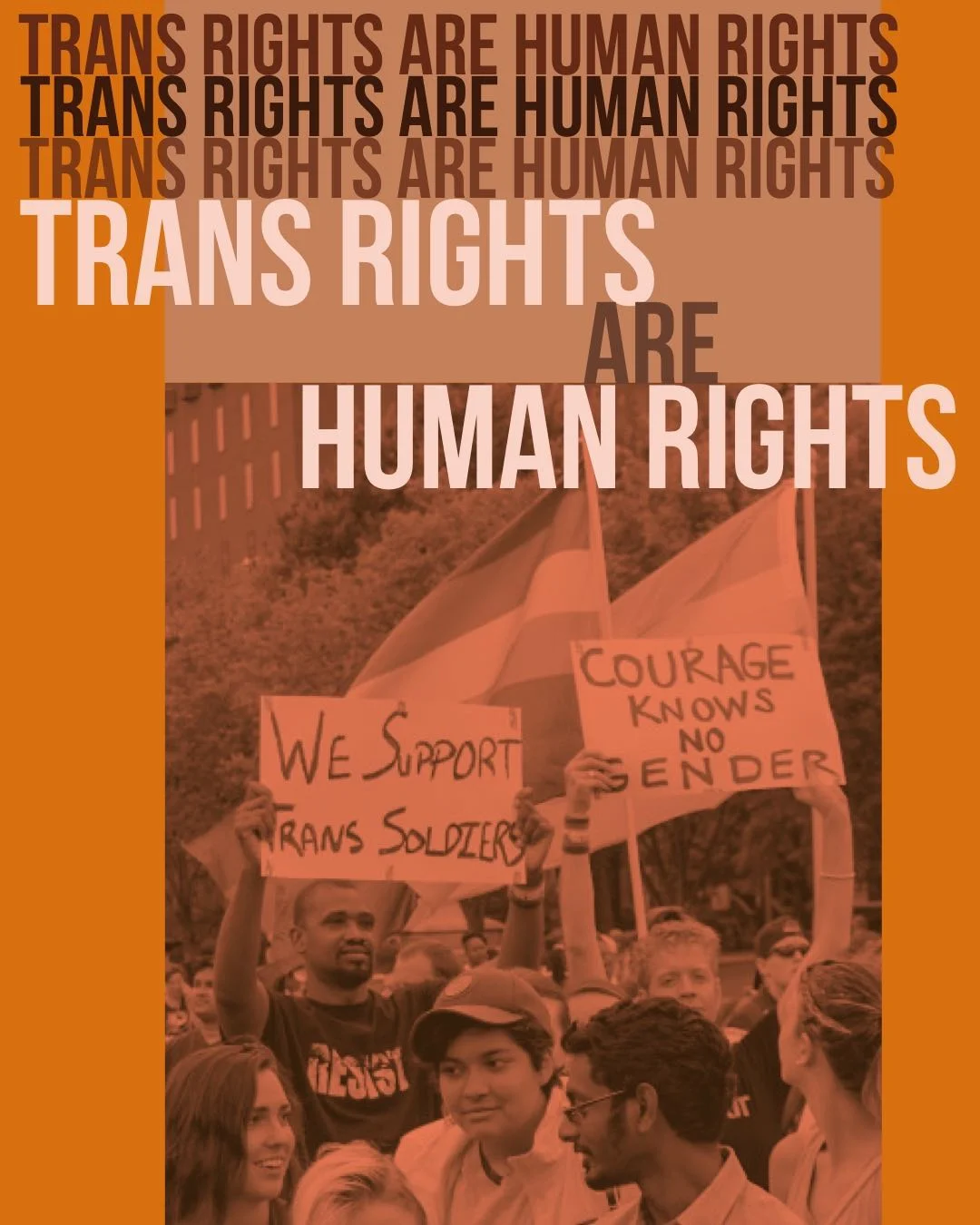
In July 2017, U.S. President Donald Trump announced on Twitter that transgender people would no longer be allowed to serve openly in the military. Several groups pushed back in federal courts, but by January 2019, the Supreme Court lifted two injunctions that had been helping to keep the ban from going into effect.
According to Article 21 of the United Nations Declaration of Human Rights, everyone has the right to take part in the government of their country, directly or through freely chosen representatives. It is our responsibility as educators to make sure students have the opportunity to engage in the political process.
Ads from a hate group noted for its history of Holocaust denialism began appearing at two BART stations in downtown San Francisco earlier this month. Holocaust denial is not a new phenomenon but the emergence of Holocaust denial groups and pages on social media continues to be a growing concern.
How do we frame the issue of women’s rights as one of human rights? How does the #MeToo movement fit into this? How do we as educators, discuss this provocative topic in ways that dig deeper than the headlines of glittering celebrities and Hollywood? Finally, how can we position our students to understand the complicated issues that still face women and girls today?